Kyoto Halal Ramen: Reading the Difference Between Gion and Shijo-Karasuma
Two Kyoto ramen shops market halal-style ramen, but what their claims actually mean differs. Here is how to read the difference before you visit.
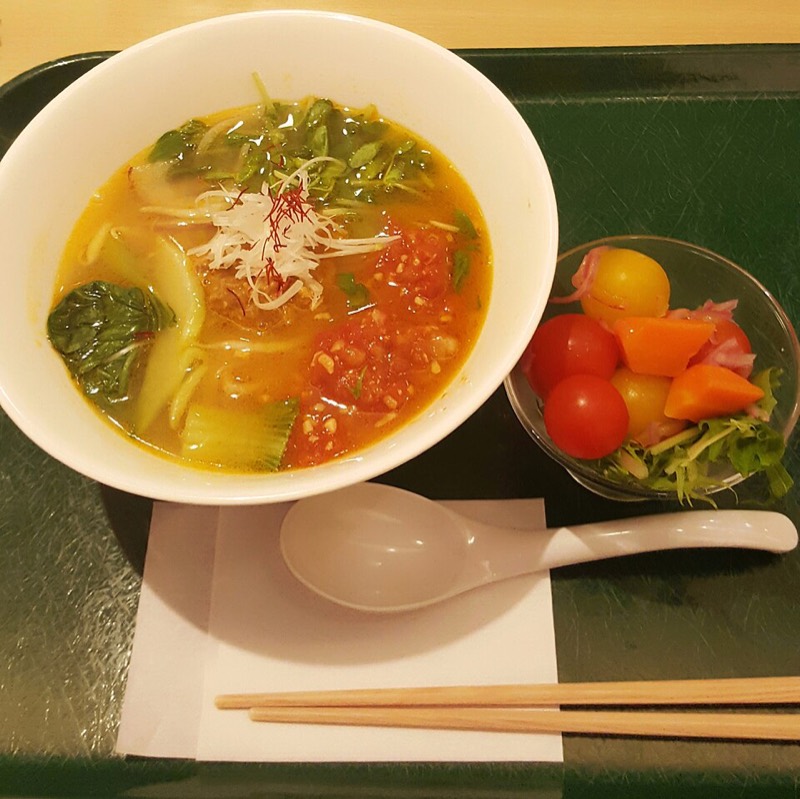
The word "halal" is showing up on more ramen shop signs in Kyoto. But the same word can mean different things depending on what each shop has actually confirmed. Here's how to read the claims at two Kyoto ramen shops: one in Gion, one in Shijo-Karasuma.
Shinjuku-Tei Gion Kyoto
Shinjuku-Tei is a halal-oriented ramen chain built around wagyu (Japanese beef) ramen. The Gion Kyoto branch's official site states the food is made "with no pork or alcohol used," and also describes it as 100% Halal Food. Because the shop itself publicizes a menu aimed at Muslim diners, this site lists it as "muslim-friendly."
The official site also says the restaurant "operates under recognized Halal certification standards," but it does not name which certifying body those standards come from. A prayer room and multilingual menus suggest the shop is set up with Muslim visitors in mind.
- Muslim-friendly: No pork, no alcohol (not certified)Officially states no pork or alcohol is used; the certifying body is not named on the official site
- Area: Gion (near Yasaka Shrine)
- Hours: 12:00-21:00 (closes early if sold out)
- Price range: wagyu ramen from around ¥4,500 (tax excluded)
Ayam-YA (Torisoba Kyoto Ayam-YA) in Shijo-Karasuma
Ayam-YA is a chicken-broth ramen (torisoba) specialty shop that calls its ramen "halal" on its official Instagram. It also appears on the "certification record" list published by the Japan Halal Foundation (JHF).
That list can include shops certified in the past, so an appearance on it is not proof that certification is currently active. As of our latest check, we could not find the shop itself publicly naming a certifying body or displaying a certificate on its own channels. For that reason, this site does not call it "certified" even though a certifier's name is known, and lists it only as "halal menu available."
- Halal: Halal menu itemsThe shop calls itself a halal ramen shop on its official Instagram. Listed by Japan Halal Foundation, but we have not seen the shop itself state it is certified.
- Area: Shijo-Karasuma
- Appears on certification record list: Japan Halal Foundation (JHF)
Two different levels of "halal"
| Level | What it means | Shop in this article |
|---|---|---|
| Muslim-friendly | The shop states it uses no pork or alcohol. No certifying body is named. | Shinjuku-Tei Gion Kyoto |
| Halal menu available | The shop states it offers halal menu items. It may appear on a certifier's list, but the shop's own certification statement is unconfirmed. | Ayam-YA |
Neither shop is "certified" by this site's definition. Calling a shop certified requires both a named certifying body and the shop or its operating company publicly stating that certification itself.
Sources
Details can change. Please check with the restaurant before you go. If you have allergies or a medical condition, follow your doctor's advice. Religious rulings are left to certification bodies and to you.
Related articles
Kiyomizu-dera to Gion: A Higashiyama Walk for Dietary Restrictions
CHOICE: A Vegan and Gluten-Free Café Near Kyoto's Sanjo