Enjoying Japanese Festival Food Stalls with Dietary Restrictions
What takoyaki, yakisoba and other matsuri stall foods usually contain, what to watch for if you're vegan, halal, gluten-free or allergic, and a phrase to show staff.
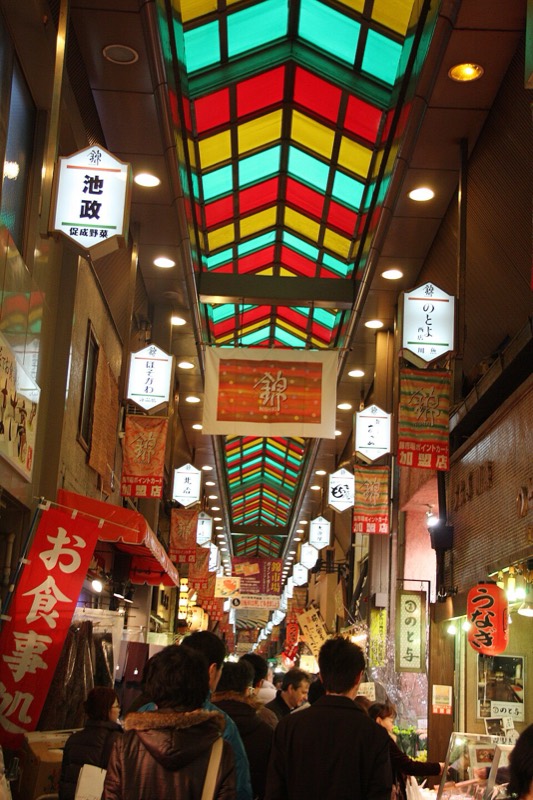
Festival stalls and dietary restrictions
Japanese festivals (matsuri) are lined with food stalls selling takoyaki, yakisoba and more. JNTO (Japan National Tourism Organization) introduces stall food as one of the highlights of a festival.
Stall food, however, rarely comes with an ingredient list. According to Japan's Consumer Affairs Agency, allergen labeling is mandatory for packaged processed foods. For restaurants and food made on the spot, any allergy information is up to each business.
At a stall, "no label" does not mean "not in it."
What classic stall foods usually contain
Based on JNTO articles. Ingredients vary from stall to stall.
| Food | Usual ingredients | Take extra care if you are |
|---|---|---|
| Takoyaki | Batter, octopus, pickled red ginger, sauce, mayonnaise, green laver, bonito flakes | Vegan/vegetarian, gluten-free, allergic to egg |
| Okonomiyaki | Batter, cabbage and other vegetables, often meat, egg | Vegan/vegetarian, halal, gluten-free |
| Yakisoba | Wheat noodles, pork or other meat, vegetables, sauce, pickled ginger; sometimes topped with fried egg or mayonnaise | Vegan/vegetarian, halal, gluten-free |
| Karaage | Chicken, soy sauce, garlic, ginger, wheat flour and/or starch | Vegan/vegetarian, halal, gluten-free |
| Yakitori | Chicken thigh, leek, sauce | Vegan/vegetarian, halal |
| Taiyaki | Batter with red bean paste, black sesame, custard or other fillings | Gluten-free, allergic to egg or dairy |
| Kakigori | Shaved ice, syrup, sometimes condensed milk | Allergic to dairy, vegan |
| Ringo ame | Apple, sugar | Few ingredients, but ask about coloring and other additions |
If you are vegan or vegetarian
JNTO's vegetarian guide warns that even when you can't see meat or fish, a dish often contains hidden ingredients such as meat or bonito flakes. Takoyaki and okonomiyaki are commonly topped with bonito flakes. Even without the flakes, the batter or sauce may contain animal ingredients.
The same guide recommends being specific about what you can't eat when you order. Saying "no meat, seafood, or animal products, including dashi" is easier to understand.
If you keep halal
Yakisoba is sometimes made with pork. At a stall, it is hard to confirm whether the chicken in karaage or yakitori is halal.
JNTO's guide for Muslim travelers notes that cooking sake and mirin are used in many Japanese dishes. Miso may also contain alcohol unless it is additive-free (labeled "mu-ten-ka"). Stalls sometimes cook many different foods on the same griddle or in the same oil. Please follow your own judgment and the standards of the certification body you trust.
If you are gluten-free
Takoyaki, okonomiyaki, yakisoba and taiyaki are usually made with wheat flour or wheat noodles. Karaage coating may also contain wheat flour. Soy sauce and other sauces may contain wheat. Anything cooked on a shared griddle may pick up wheat.
If you have food allergies
Japan's Consumer Affairs Agency advises people eating out to ask the business about ingredients and to watch for cross-contact, when other ingredients get mixed in unintentionally during cooking. Stalls sometimes cook several foods on the same griddle, in the same oil or with the same tools, and even the stall may not be able to fully prevent cross-contact.
Sources
Details can change. Please check with the restaurant before you go. If you have allergies or a medical condition, follow your doctor's advice. Religious rulings are left to certification bodies and to you.